
When Teams Struggle, the Cause Is Rarely
What We Think
Most teams do not struggle because people lack skill, experience, or good intentions.
Usually, the problem is more specific.
The team knows how it wants to operate.
Clear communication.
Better alignment.
Sound decisions.
Consistent follow-through.
But when pressure rises, something begins to shift.
Timelines tighten.
Stakes increase.
Reactions move faster.
Assumptions go unspoken.
Communication becomes less precise.
Decisions become more reactive.
And afterward, the team is often left thinking:
“That is not how we wanted that to go.”
That gap matters.
Because most team breakdowns do not happen because people have no idea what to do.
They happen because, in the moment, the team cannot access and apply what it already knows with enough steadiness, clarity, and discipline.
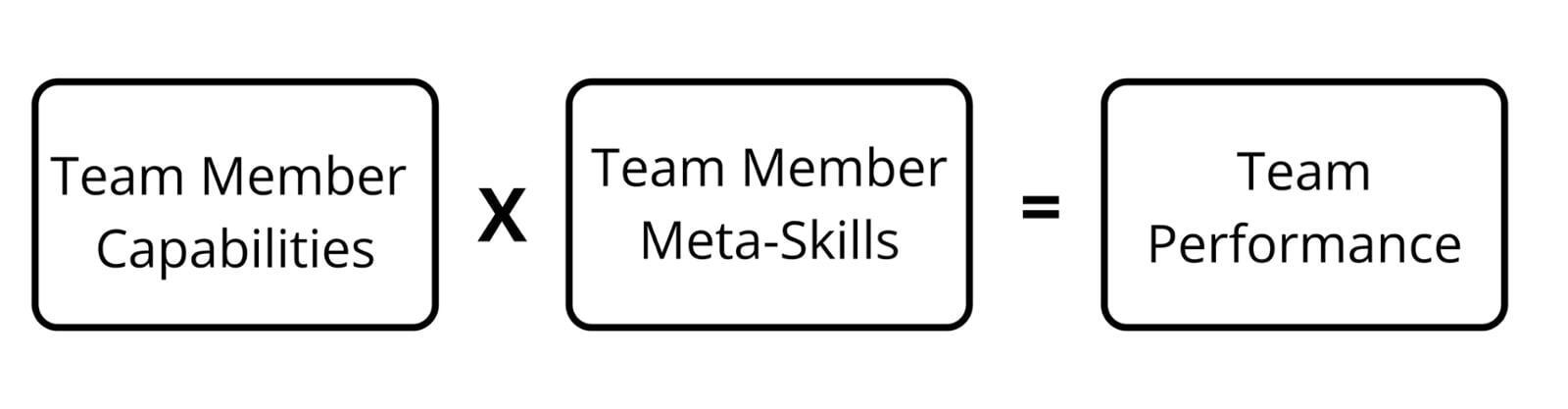
That is where Meta-Skills become so important.

What Is Actually Driving the Breakdown
What matters in those moments is not just what the team knows.
It is what people are able to access and apply while things are actually happening.
Meta-Skills shape that.
They influence:
- how team members interpret what is happening
- how quickly reactions build
- how clearly people communicate
- how well disagreement is handled
- how consistently decisions are followed through
- how quickly the team recovers when things begin to slip
When these capacities are strong, teams tend to stay more stable under pressure.
They still face difficult situations. But they are better able to think, communicate, decide, and adjust while the situation is unfolding.
When these capacities are weak, even manageable situations can begin to break down.
Not because people do not care.
Not because they are incapable.
But because the demands of the moment exceed the team’s capacity to stay clear, steady, and aligned.
Where Teams Typically Break Down

Communication Drift
Decision Reactivity
Alignment Slippage
Self-Awareness (in real time)
Start a Conversation...
If you’d like to explore this, we can start with a short discussion.
- what your team is currently experiencing
- where breakdown tends to occur
- whether this approach fits what you’re trying to build